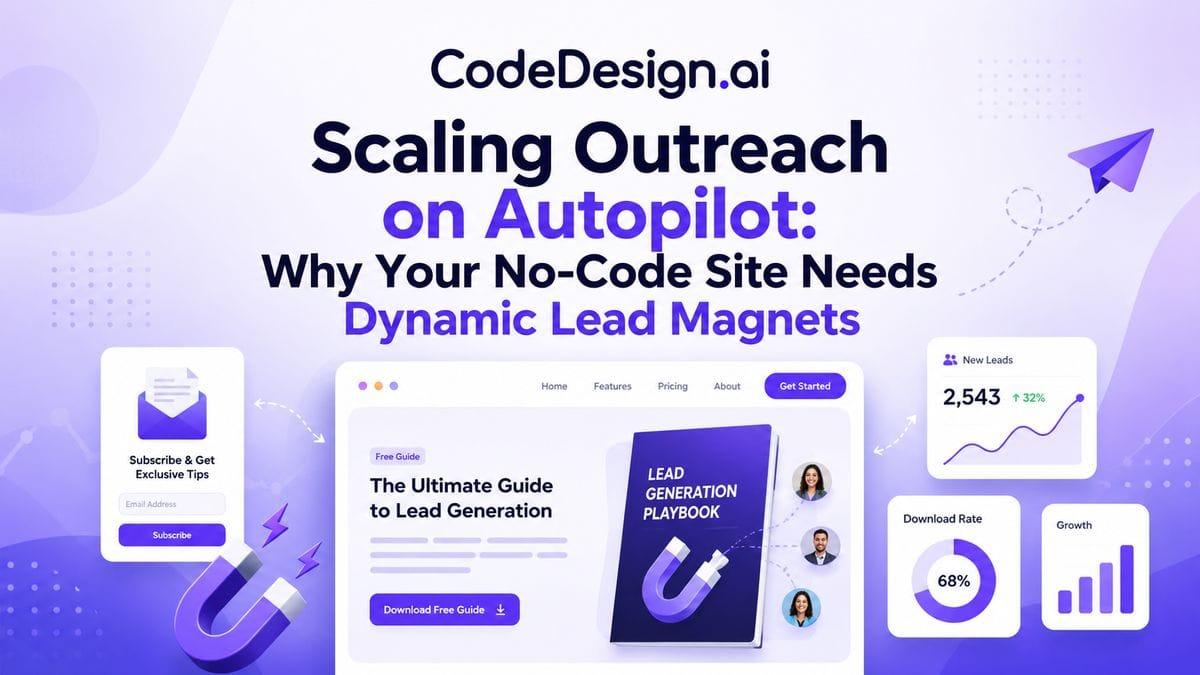
Scaling Outreach on Autopilot: Why Your No-Code Site Needs Dynamic Lead Magnets
The no-code revolution has lowered the barrier to entry for digital businesses. Today, marketing teams can launch high-performing websites using platforms like Webflow, Framer, or Bubble in a matter of days.
According to Gartner, 75% of new applications will be built using low-code or no-code platforms by 2026, and roughly 80% of technology products and services will be developed by people who are not professional software engineers. The democratization of building has effectively erased the traditional handoff between marketing and engineering, putting more launch power in the hands of growth and revenue teams than at any point in internet history.
However, deploying a website is only the first step. The true challenge lies in what comes next: converting anonymous traffic into qualified, sales-ready leads.Dynamic lead magnets can capture intent from visitors already on the site, while AI-powered lead generation tools can support the broader pipeline by identifying prospects, enriching available data, prioritizing opportunities, and helping teams determine which leads warrant further outreach.
For many businesses, the default strategy is to slap a generic "Subscribe to our Newsletter" form or a static PDF guide onto their homepage and hope for the best. But in our current digital landscape, generic offers are losing their effectiveness. Buyers are inundated with content, and the bar for what counts as "valuable" has risen dramatically over the last few years.
To truly scale outreach and build a predictable sales pipeline, your no-code site needs to pivot toward dynamic lead magnets paired with automated outreach systems. Here is why the future of lead generation relies on personalization and autopilot execution.
The Bottleneck of Static Lead Generation
Historically, top-of-funnel marketing relied heavily on static lead magnets. While these assets still have a place, their conversion power is waning.
Modern buyers expect relevance. If a prospect lands on your site looking for a solution to a specific problem, a generic brochure will not capture their attention or their contact information. Demand Gen Report's B2B Buyer Behavior research consistently finds that the overwhelming majority of B2B buyers now prefer interactive content over static formats, citing better learning experiences and more relevant insights.
According to Marketing LTB, funnels that incorporate personalization convert at a rate 2.1 times higher than generic, static funnels. Furthermore, the same report notes that dynamic content personalization increases overall conversions by 36%. When visitors encounter content that feels specifically tailored to their industry, role, or pain points, their willingness to exchange contact information skyrockets.
Conversely, relying on outdated methods is costly. According to statistics from Salesforce, 79% of leads never convert due to a lack of proper nurturing and relevance. If your no-code site treats every visitor exactly the same, you are actively leaking potential revenue and the leak gets bigger every quarter as buyers grow more sophisticated and more skeptical of generic asks.
Enter Dynamic Lead Magnets
A dynamic lead magnet is an interactive, personalized offer that adapts based on user behavior, intent signals, or demographic data. Instead of a static PDF, these take the form of interactive quizzes, ROI calculators, personalized assessments, or dynamically changing content blocks that shift depending on the visitor's referral source or browsing history.
The numbers behind interactive formats are compelling. Quiz platform Interact's benchmark data on lead-generation quizzes shows that the average conversion rate when a visitor begins a quiz lands around 40%, meaning roughly four out of every ten visitors who start a quiz become a lead. Compare that with traditional downloadable guides, which typically average in the low single digits across industries, and the math becomes hard to ignore.
Because no-code platforms are flexible and integrate easily with third-party personalization tools via APIs or webhooks, implementing dynamic lead magnets is easier than ever. You can trigger specific pop-ups or personalized landing pages based on exactly how a user interacts with your site.
A returning visitor from a paid LinkedIn campaign can see a calculator tailored to their industry, while a first-time visitor from organic search can receive a quick diagnostic quiz that segments them in real time.
By capturing highly specific data points through dynamic magnets (company size, current tech stack, pain points, budget range), you set the stage for highly targeted, relevant follow-ups. Each answer becomes a routing signal, a segmentation tag, and a personalization variable for the next stage of the funnel. The result is a database of leads that already arrives pre-qualified, rather than a generic list of email addresses your team has to chase.
Putting Follow-Ups on Autopilot
Capturing a lead via a dynamic assessment or calculator is an excellent first step, but the velocity and consistency of your follow-up determine whether that lead actually becomes a customer.
In B2B sales, time kills deals. A landmark Harvard Business Review study by James Oldroyd that analyzed more than 2.24 million sales leads across multiple industries found that companies that contact a prospect within one hour of an inquiry are nearly seven times more likely to qualify the lead than firms that wait even sixty additional minutes and more than 60 times more likely than firms that wait 24 hours or longer.
Industry benchmarks indicate that automated follow-ups increase conversions by 21%, while leads left without a follow-up for more than 48 hours convert 60% less.
This is where integrating your no-code site with automated outreach systems becomes crucial. You cannot afford to rely on manual data entry or human Sales Development Representatives (SDRs) to instantly respond to every dynamic lead that enters your system. You need an automated pipeline that reacts the moment a prospect hits "Submit."
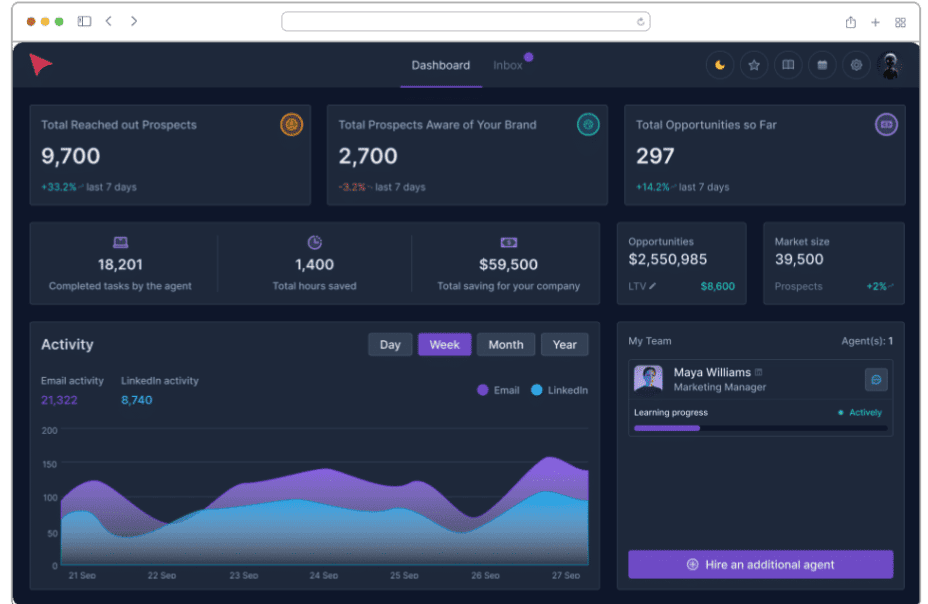
Once your dynamic lead magnet has captured a high-intent prospect, platforms like Anybiz.io can act as an autonomous AI sales development representative (SDR), integrating with your pipeline to instantly trigger multichannel outreach via email, LinkedIn, and AI-driven cold calls.
This matters because multichannel cadences consistently outperform single-channel ones. Research compiled across outbound sales benchmarks shows that combining email, phone, and LinkedIn outreach can increase response rates by close to 290% compared with single-channel efforts, and multichannel sequences generate several times higher prospect engagement than email alone.
Instead of a human rep taking days to research a prospect and draft a relevant email, Anybiz uses the specific data captured by your dynamic lead magnet to craft hyper-personalized outreach on autopilot. Because the platform operates 24/7 without needing to rest, your leads are nurtured immediately, ensuring your no-code site functions as a relentless pipeline for booking meetings, even when your sales team is asleep, on a flight, or buried in an existing pipeline.
The ROI behind AI-Driven Outreach
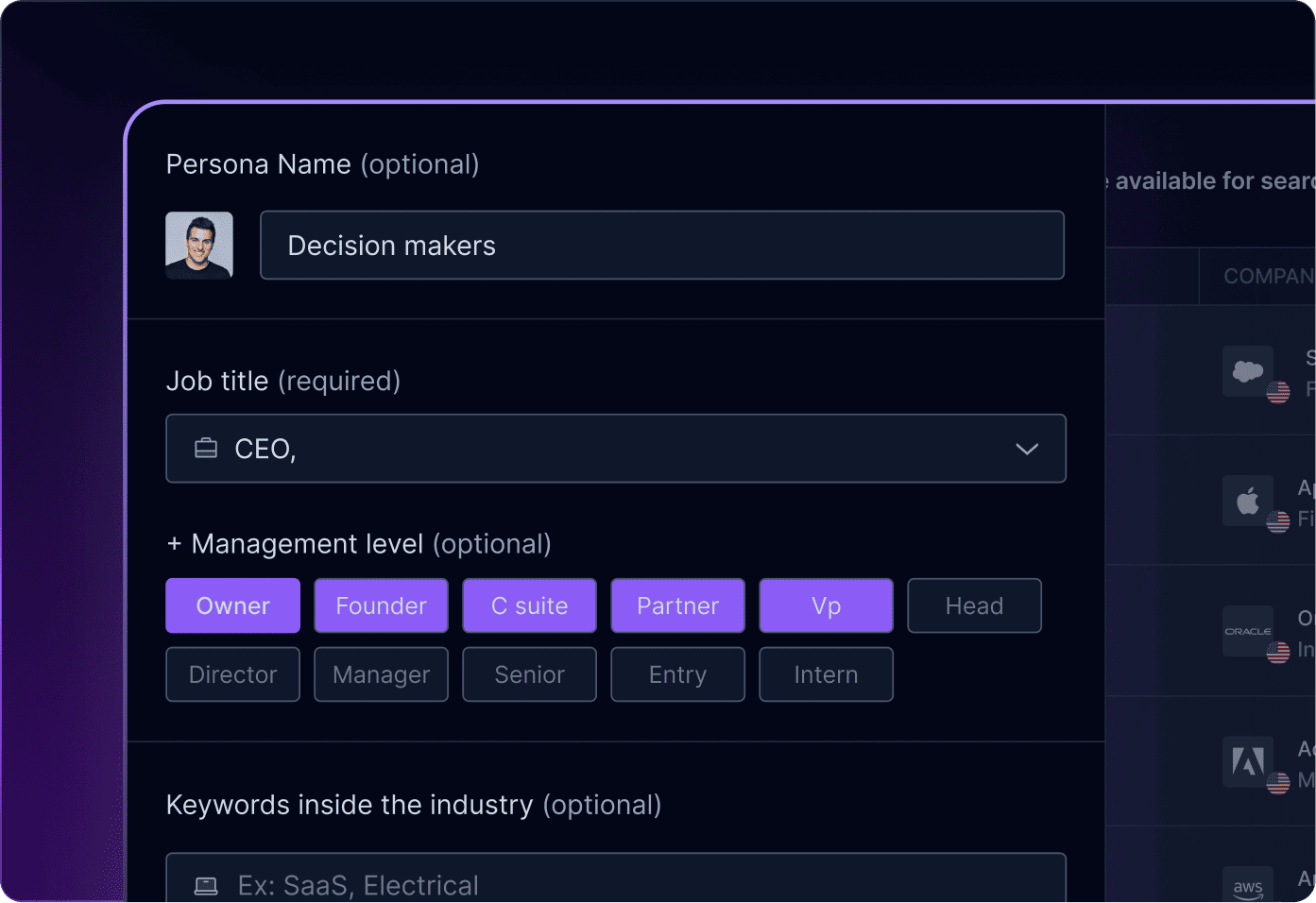
The financial and operational benefits of combining dynamic lead capture with AI-automated outreach are staggering. Traditional prospecting and follow-up are notoriously time-intensive, often burning out sales teams on administrative tasks rather than allowing them to actually sell.
By shifting the heavy lifting to automated systems, businesses are seeing massive improvements in their bottom line. McKinsey's research on the economic potential of generative AI estimates that the technology could unlock between $0.8 trillion and $1.2 trillion in additional productivity across sales and marketing functions globally, on top of gains already captured by traditional analytics.
The same body of research suggests that applying AI tools to sales processes can increase leads by as much as 50% and cut operational costs by up to 60%, with AI-assisted reps booking significantly more demos and meetings, largely because of the speed and personalization of automated follow-ups.
The compounding effect is what really matters. A no-code site that converts at 5% instead of 1%, paired with an AI SDR that follows up in seconds instead of days, does not just generate slightly more pipeline, it generates a fundamentally different category of growth curve. Two changes that look incremental in isolation become exponential when stacked, because each lead is captured with richer context and acted on while intent is still hot.
There is also a quieter, second-order benefit: human sales reps stop spending their day on data entry, research, and templated follow-ups, and instead focus on the deals where their judgment actually moves the number.
That is how a five-person revenue team starts performing like a fifteen-person one, without the headcount or the burn. It is also why so many lean B2B teams are now treating their no-code stack and their AI outreach layer as a single system rather than two separate purchases. The value compounds when the website, the data capture, and the follow-up cadence are designed to feed one another in real time, with every quiz answer, calculator input, and page view becoming raw material for the next personalized touch.
Conclusion
To thrive today, your no-code site must evolve into a revenue-generating machine. The playbook is simple: replace outdated static forms with dynamic lead magnets, and swap slow manual follow-ups for autonomous AI outreach.
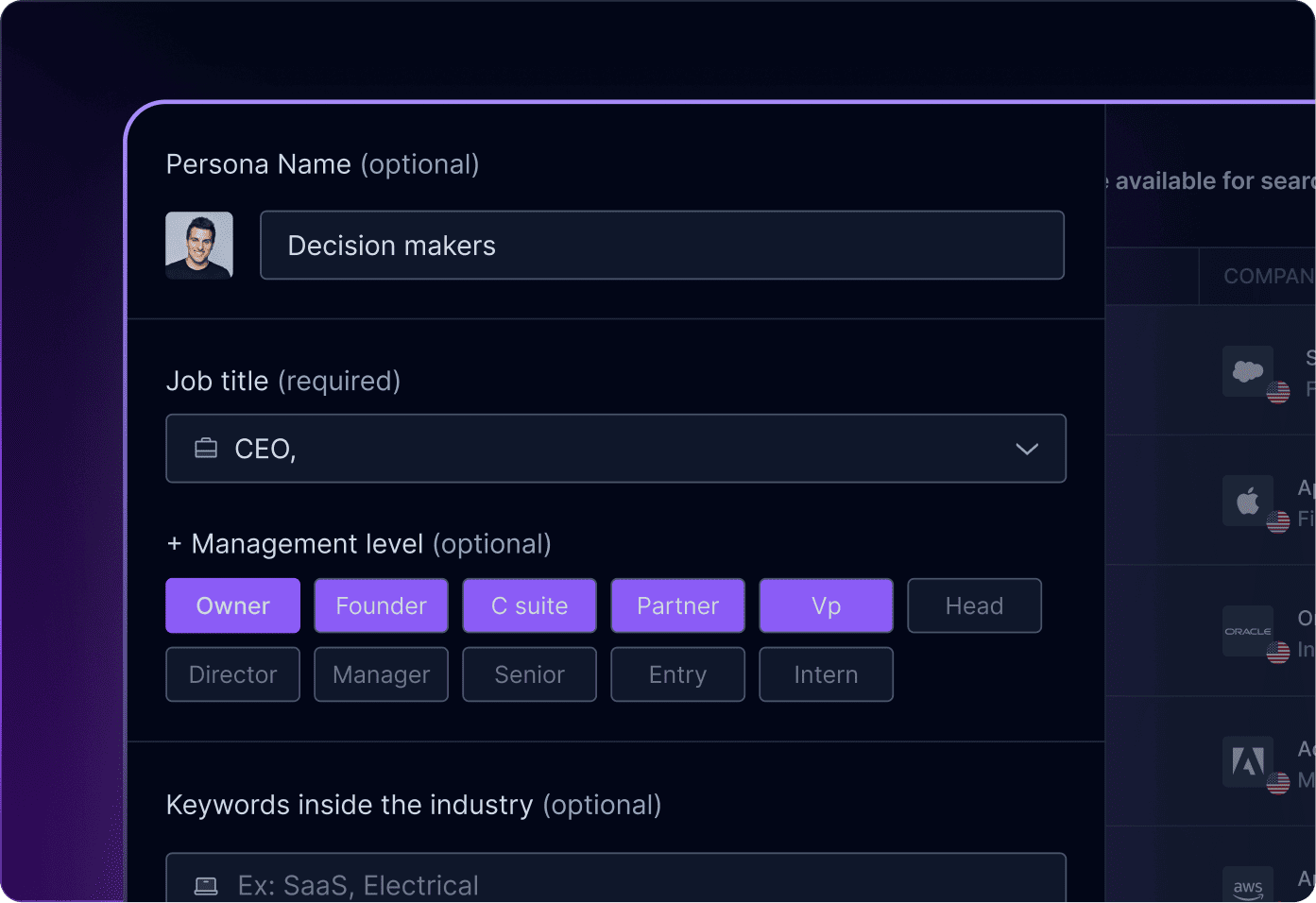
The companies that win the next decade of B2B will be the ones whose websites stop acting like brochures and start acting like always-on revenue teams, capturing intent the moment it appears, and converting it before a competitor ever gets the chance.
The shift does not require a bigger headcount or a heavier tech stack, only a sharper system. Build it once, let it run continuously, and your pipeline stops depending on who happens to be online to answer the next form fill.